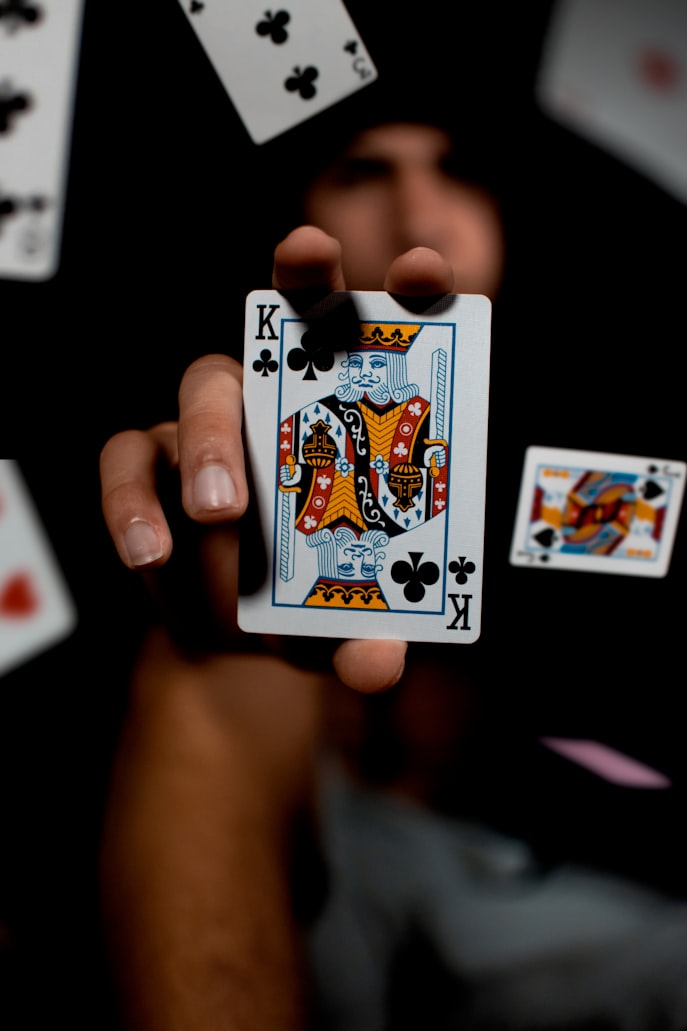
The Allure of Chance
The psychological allure of casino games largely stems from the tantalizing concept of chance and the unknown. Players are irresistibly drawn to the notion that a single decision could lead to a life-changing win, much like the thrill of finding the best online casino that offers exceptional games and rewards. This unpredictability taps into a fundamental human desire for excitement and thrill. The rush that accompanies placing a bet, followed by the anticipation of the outcome, activates the brain’s reward systems, creating a euphoric experience. This phenomenon is similar to taking risks in other aspects of life, where the potential for success engenders strong emotions that can be both exhilarating and addictive.
Moreover, the design of casino games often amplifies this allure. Vibrant lights, engaging sounds, and fast-paced action create an immersive experience that captivates players. This sensory overload can induce a hyper-focus among players, temporarily detaching them from reality. During this heightened state, they become more susceptible to what is known as the ‘near-miss’ effect—a psychological phenomenon where players feel a sense of victory even without actually winning. This illusion can lead to prolonged playtime as players chase the thrill of the next bet, often neglecting the financial and emotional consequences of their actions.
Real-world examples highlight how this allure significantly influences behavior. Take, for instance, slot machines that feature themes resonating with players’ fantasies, such as luxury or adventure. The imagery and sounds associated with potential winnings can create a heightened sense of hope, pushing players to engage further. Additionally, promotional strategies, such as free spins and loyalty rewards, exploit these psychological triggers, encouraging players to return for more, reinforcing the belief that the next game could be their big break, thus perpetuating the cycle of gambling behavior.
The Role of Emotions in Gambling
Emotions play a pivotal role in gambling behavior, influencing players’ decisions and their overall experiences within casino environments. The emotional spectrum experienced while gambling can range from elation during small wins to despair and frustration following losses. These emotional rollercoasters can significantly impact a player’s behavior, often leading them to make irrational decisions, such as continuing to gamble despite accumulating losses in hopes of recouping their funds. This emotional attachment creates a cycle that can be challenging to break, as the fear of loss may drive players to chase after their prior investments.
Furthermore, casinos are strategically designed to manipulate emotions effectively. The ambiance, which includes soothing background music and celebratory sounds when someone wins, fosters an environment that encourages prolonged play. These emotional cues can trigger the release of dopamine in the brain, reinforcing players’ enjoyment and overall experience. For vulnerable individuals, particularly those who may gamble as a coping mechanism for stress or anxiety, these emotional connections can be problematic and lead to compulsive gambling behaviors.

Additionally, social interactions within casinos can amplify the emotional experience. Gambling often occurs in social settings, where camaraderie and competition enhance the enjoyment of the games. Players may feed off each other’s excitement or disappointment, creating a collective experience that can influence individual stakes. This social dynamic can lead to a heightened sense of belonging among players, making it difficult for them to disengage from gambling activities, even when faced with significant losses. Ultimately, emotions profoundly shape gambling habits and player behaviors, leading to complex relationships with risk and reward.
The Influence of Cognitive Biases
Cognitive biases play a significant role in how players interpret their gambling experiences and make decisions. One prevalent bias is the illusion of control, where players mistakenly believe they can influence the outcome of games that are determined purely by chance. For instance, a player at a poker table might overestimate their ability to read opponents, leading to riskier bets and potentially substantial losses. This distortion of reality creates a false sense of confidence, encouraging continued play even when they are on a losing streak, often resulting in exacerbated financial distress.
Another significant cognitive bias is the gambler’s fallacy, which arises from the incorrect assumption that previous outcomes influence future results. Many players believe that if a slot machine has not paid out recently, it is «due» for a win. This fallacy can lead to extended play sessions, as players dismiss the laws of probability in favor of their misconceptions. Consequently, they may invest more time and money, hoping to capitalize on what they perceive as inevitabilities, thereby further entrenching themselves in gambling behavior.
These cognitive biases exploit inherent human tendencies, making it easier for casinos to attract and retain players. By understanding these psychological patterns, game designers can create games that appeal to players’ misconceptions, making losses feel less significant than they actually are. Ultimately, cognitive biases not only shape the gambling experience but also highlight the pressing need for greater awareness among players regarding the psychological mechanisms at play, encouraging them to approach gambling with a more informed mindset.
The Impact of Environment and Design
The design and atmosphere of casinos play a pivotal role in shaping player behavior. From the layout of the gaming floor to the choice of colors and lighting, every element is meticulously curated to create an enticing environment. Warm colors and soft lighting evoke feelings of comfort and relaxation, while bright lights draw attention to winning areas, enticing players to engage further. This thoughtful design aims to prolong the gaming experience, sometimes leading to a loss of awareness regarding time and money spent. Many players find themselves immersed in the environment, often forgetting their original intentions.

Moreover, the strategic placement of games is designed to promote exploration and social interaction. Casinos often cluster popular games together to create a buzz, drawing players to areas where they see others winning. This peer pressure can amplify emotions, enticing players to join in even if they were initially hesitant. The thrill of the crowd can diminish self-regulation, leading players to gamble more than they intended as they witness excitement and wins surrounding them. In this way, casinos craft an environment that encourages risky behavior, capitalizing on the social dynamics of gambling.
In addition, many casinos employ various sensory elements to enhance player engagement. The sound of coins cascading, the cheerful ding of slot machines, and even the aroma of certain foods can create pleasant associations with winning. This multi-sensory experience can become deeply ingrained in players’ memories, making it increasingly challenging to resist the allure of returning to the casino in hopes of reliving those euphoric moments. These factors underscore the essential role of the casino environment in shaping player behavior, reinforcing emotional ties to gambling while complicating the ability to quit.
Your Path to Understanding Casino Dynamics
Understanding the psychology behind casino games and player behavior is crucial for anyone involved in the gambling industry or those who participate in it recreationally. This knowledge can foster more responsible gaming habits and promote awareness of the psychological traps that casinos utilize to retain players. By recognizing the influences of chance, emotion, cognitive biases, and environmental factors, players can make more informed decisions regarding their gambling habits, ultimately reducing the risk of developing problematic behaviors.
Additionally, for operators and game developers, this understanding can lead to the creation of more ethical gaming products. By prioritizing player welfare over profit, the industry can encourage healthier play patterns and contribute to a sustainable gambling environment. Implementing responsible gaming measures, such as self-exclusion programs and educational resources, can empower players to enjoy gaming without falling into harmful patterns. It is essential for the industry to recognize its responsibility in fostering a safe gambling landscape.
Ultimately, educating both players and industry professionals about the psychological aspects of gambling can lead to improved experiences all around. By fostering an environment that values informed choices and responsible gambling, the industry can enhance player satisfaction while minimizing the risks associated with excessive gambling behaviors. The more that individuals understand the psychological mechanisms at play, the better equipped they will be to navigate the complexities of casino gaming responsibly and enjoyably.